
Reporting contributed by Kiran Sidhu
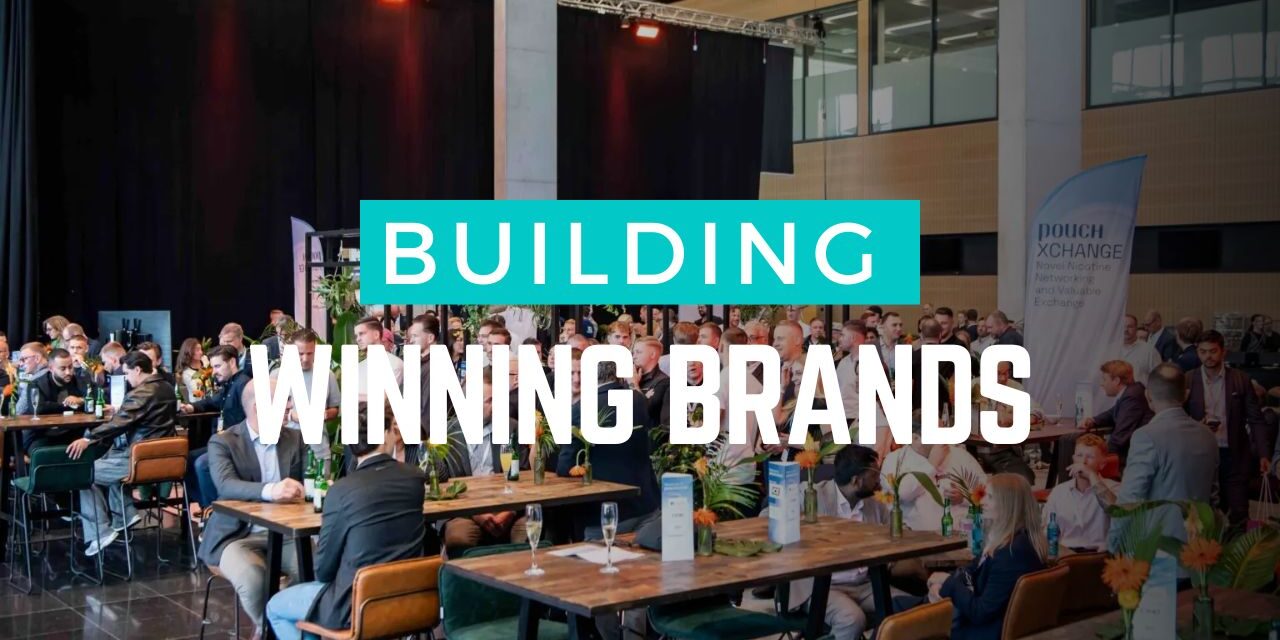
Key players in the nicotine pouch industry gathered at InterTabac’s PouchXchange in Dortmund, Germany, on September 15 to discuss the rapidly changing landscape of safer nicotine products.
The global market for nicotine pouches is fast evolving and showing an exponential rise in popularity. This comes as no surprise – pouches are at the very lowest end of the nicotine-products continuum of risk. In the United Kingdom they are showing signs of replacing e-cigarettes as the country’s most favoured smoking cessation product. With increased popularity regulators and policymakers are scrambling to keep pace, inevitably affecting all involved in the product.
The most salient and unique aspect of PouchXchange, which is partnered with GINN, is that it offers a one-stop shop style event for all those who work in the market. Manufacturers, suppliers, distributors, brand leaders, market specialists and regulatory advisors sit side-by-side in an informal and relaxed setting. What this does is allow for the complexities encountered in the market, from the beginnings of an idea to production and distribution, to be addressed by the very people whose job it is to deal with that particular chain in the market. This provides invaluable insight in a market that’s forever shifting. Information is shared and knowledge is passed by experts in their field creating a fertile space for new ideas to develop and market challenges to be given new and enlightening perspectives.
In a panel titled, The Pouch Market Reality Check: What actually builds a winning brand, experts acknowledged in order for a product to have longevity, manufacturers need to think beyond branding. Chairing the panel, GINN director, Shem Baldeosingh, asked the panel what a successful pouch business looked like and what limited market growth.
Panelist, Arvind Rana from brand MYNT, stressed the importance of consistency and execution. He said: “Demand will get you in the market but consistency will keep you there.”
When asked whether the panel viewed regulation as a barrier, panelist, Willie McKinney from McKinney Regulatory Science Advisors, based in the United States, said brands should be careful not to prematurely release products in the market and to not see regulation as the enemy.
McKinney explained that “the toxicologist and product developer should be working hand in hand.” He urged brands to take their time in developing products, explaining “slow was methodical.” Too many products are pulled off the shelves due to brands not being rigorous enough during the development of new products.
The panel, which included Waqas Khan from CLEW and Rahoul Naik from RUSH, all agreed that brands needed to be more than just loud and present if they’re to succeed in the market.
“Having the right product needs a strong foundation – no short cuts,” Khan said.
Agreeing, Naik added that being the loudest was a short-term strategy for gaining floating customers which would not necessarily translate into loyal consumers.
“There is a time to be loud and there is a time to listen”, Naik said, expressing that early preparation and adhering to regulations was key in getting the market share.
The overall message the panel had for new emerging brands was simple: do your homework.
Speaking away from the panel McKinney said brands were doing a good job of understanding consumer’s demands – but were “rushing to market without fully understanding their product.” He said too often manufacturing systems were based on the brand’s own knowledge. Instead, they should hire external people to challenge quality systems that they have put in place. He added it was important to “hire someone that’s going to tell you what you need to hear – not what you want to hear.”
There’s no doubt the nicotine pouch market is mercurial. What PouchXchange does well is to offer this precarious market continuity in the form of familiar faces, as well as new ones, in an environment that is informal and social. It understands that not all the best ideas are created in boardroom; formality can often restrict free-thinking. And an industry that’s mutable requires clear vision, execution and shared understanding. An environment that gives space and encourages the free flow of ideas and fosters impactful breakthroughs in innovation.
“I’m always looking forward to PouchXchange, primarily because we get to put all the different facets of the pouch industry in one room”, Naik said, adding that the networking opportunities at the event were “unparalleled.”
Echoing Naik’s sentiment, McKinney said he was “impressed” by the diversity at the event which included manufacturers, retailers, wholesalers and regulators.
“From my perspective,” he said, “the regulatory scientists can help navigate regulations from different countries, which is immeasurable.”
Next year PouchXchange will offer the same mileu; an environment that opens the door to candid conversations, igniting new relationships and business opportunities and opening dialogue on regulation and innovation with the very people that will shape the future of oral nicotine.