
Reporting contributed by Kiran Sidhu
“For those in the pouch industry, the harm reduction benefit of choosing a non-combustible nicotine product is irrefutably evident,” Joel Rubenstein told the audience. However, he said, step outside and the environment is hostile to this evidence-based fact.
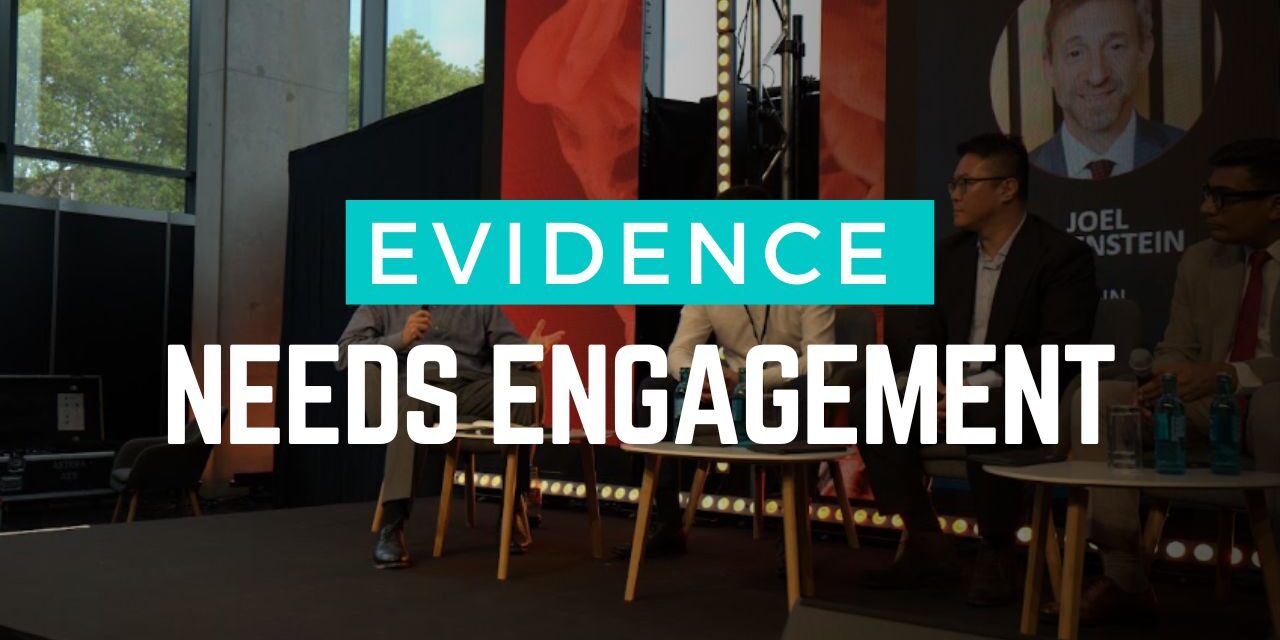
Rubenstein, an independent commercial consultant, was speaking at InterTabac, an industry event in Dortmund, Germany, on September 16th. Hosting a panel titled, ‘We’re right but we’re losing: how the nicotine sector wastes its own advantage,’ he questioned why the evidence that oral nicotine products are safer than combustibles had not translated to the wider audience? “What is the industry getting wrong?”
Panelist, Tomasz Plaska, Head of Marketing at Chemnovatic, said for too long regulators had concentrated on the mostly transient youth uptake of the product which had obscured the health benefits of switching to the safer nicotine product. And, far too often, oral nicotine products are incorrectly conflated with combustible tobacco.
Plaska suggested that a shift in conversation to empirical evidence, instead of concentrating on young people using pouches and some people’s unwillingness to accept tobacco harm reduction, might be a more effective way of getting the message across. It is evident that countries that have adopted oral nicotine products have better public health outcomes. For example, Sweden, a country which has embraced oral nicotine, boasts a smoking rate of under five percent.
Fellow panelist, Shivam Bihani, managing director of MYNT pouches, said: “We thought the science will speak for itself – but evidently it hasn’t.”
Add to this the bad actors in the industry along with a burgeoning illicit market and you have a concoction that creates the perfect storm.
And then there’s the question of ethics. Rubenstein pointed out that just because something isn’t illegal, doesn’t make it right, referring to brands who sell super strength nicotine products. The onus is on the manufacturers. So, how should the industry police themselves?
“Everybody who is involved in the industry needs to regulate themselves and make themselves compliant,” Bihani said.
Online nicotine retailer, Haypp Group, is a brand that has done just that. This year the company limited its nicotine pouches to 20mg; a voluntary standard the company set for themselves. Any higher strength they deemed as unnecessary as 20mg already delivers an experience similar to smoking.
Brands had concentrated on getting products out while neglecting regulation, Bihani said, adding, “the irresponsibility of a few made the whole industry suffer.”
But regulatory readiness doesn’t solve all problems.
“If consumers buy an illegal product knowingly, that means, to that particular consumer, price is the largest motivator”, Plaska, said, illustrating the limits of even the most diligent of manufacturers.
Speaking after the panel, Rubenstein, said he feared the industry, without self-checking, might damage a business that has the potential to save the lives of millions.
Rubenstein urged brands to be ethical in their marketing, branding and targeting.
“We can’t just rely on consumer takeaway to drive the business; we need to keep adding to the science, is it safer? Who’s using it? What are the benefits? What are the net health benefits to public healthcare systems?
“We can’t let governments, who, for whatever reason, don’t understand or don’t agree with the science, or agree with some of the things that case studies have presented, we can’t let them have a monopoly on the decision making process,”
In order to do that, Rubenstein concluded, “all these little players have to spend their time and energy and save money to force their engagement and get a seat at the table so they can drive the growth of the industry from a regulatory standpoint in the right direction.”