
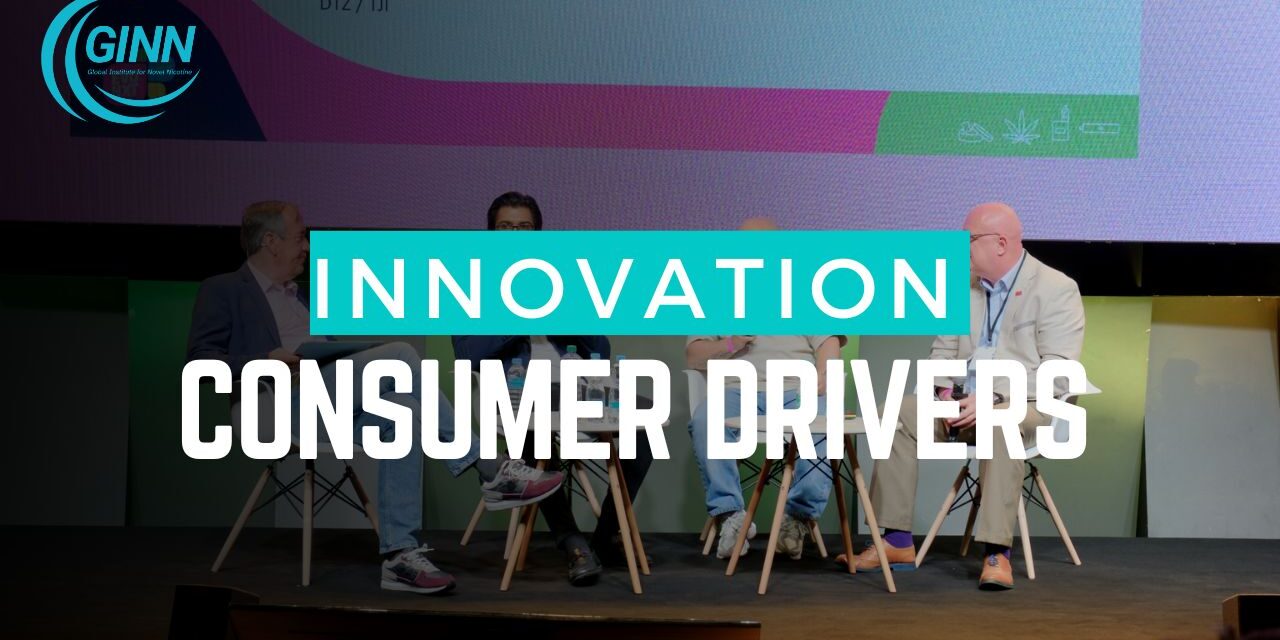
At EVO NXT 2026, the Global Institute for Novel Nicotine hosted a panel session exploring the factors influencing consumer adoption of new nicotine products, focusing on innovation, accessibility, and regulatory context.
The session was moderated by Marc Reisner and featured contributions from Waqas Khan, Vincent Reid, and John Dunne, offering perspectives from manufacturing, distribution, and policy engagement.
Innovation Beyond Product Format
The discussion highlighted that innovation in nicotine products extends beyond the core product format. While delivery mechanisms for products such as nicotine pouches and vaping devices are relatively established, ongoing developments are focused on manufacturing processes, product consistency, packaging, and sustainability.
Speakers noted that consumer preferences vary across regions, influenced by cultural factors, taste profiles, and regulatory environments. This requires adaptation of product characteristics to local markets rather than a uniform global approach.
Consumer Drivers: Familiarity, Strength, and Flavor
From a market perspective, consumer behavior appears to be driven primarily by familiarity with brands, preferred nicotine strength, and flavor profiles. Distribution data presented during the session indicated that consumers often remain within established usage patterns once preferences are formed.
At the same time, regional differences were observed, including variations in nicotine strength preferences and levels of consumer awareness regarding product use.
The discussion also highlighted that, while technical aspects such as compliance and testing are central to regulatory frameworks, these factors are not typically primary drivers of consumer choice.
Regulation and Access as Determining Factors
A central theme of the session was the role of regulation in shaping consumer access and market development. Speakers emphasized that inconsistent or unclear regulatory frameworks across jurisdictions can create barriers to access, including limitations on distribution, marketing, and product availability.
In some cases, restrictive environments were noted to influence consumer behavior, including shifts toward alternative supply channels where regulated products are not readily accessible.
The panel highlighted the importance of clear and consistent regulatory approaches in supporting both compliance and consumer awareness.
Communication and Public Perception
The session also addressed challenges related to public perception and communication. Speakers noted that misinformation and inconsistent messaging continue to influence how nicotine products are understood by both policymakers and the public.
This includes misconceptions regarding health impacts and the role of different product categories, which may affect both policy development and consumer decision-making.
The discussion emphasized the need for accurate, evidence-based communication to support informed decision-making.
Youth Protection and Industry Responsibility
Youth access and protection were identified as critical considerations. Speakers highlighted the importance of measures such as age verification systems, responsible marketing practices, and product design considerations.
There was also discussion around the role of industry-led standards and compliance frameworks, including the potential for coordinated approaches to ensure responsible market development.
Market Dynamics and Future Outlook
The panel noted that consumer adoption of new nicotine products is influenced by a combination of factors, including product design, pricing, regulatory environment, and availability. These elements interact to shape both individual behavior and broader market trends.
Looking ahead, the session highlighted the importance of aligning innovation with regulatory expectations and public health considerations, particularly as markets continue to evolve.
Conclusion
The GINN panel at EVO NXT 2026 underscored that consumer choice in new nicotine products is shaped by a combination of innovation, accessibility, and regulatory context. While product development remains important, broader factors, including policy frameworks and communication, play a central role in determining adoption.
The discussion highlighted the need for continued engagement between stakeholders to ensure that evolving product categories are understood, regulated, and communicated in a manner that reflects both market realities and public health objectives.