
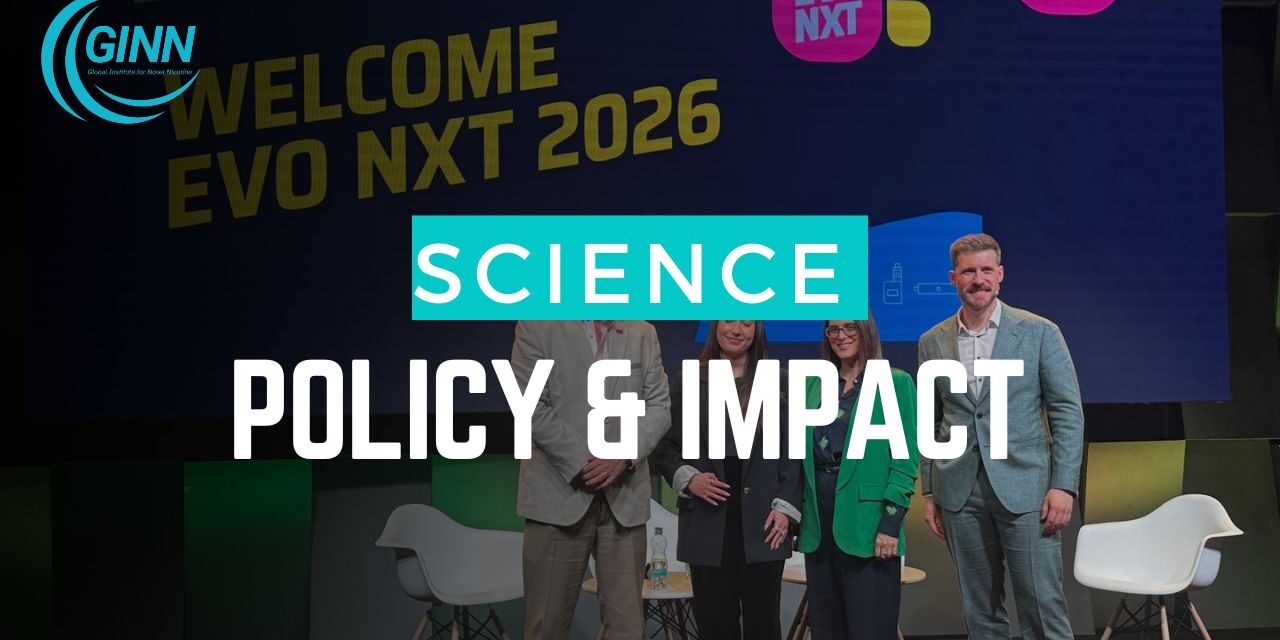
At EVO NXT 2026, the Global Institute for Novel Nicotine opened its programme with a panel session examining the latest scientific evidence, regulatory frameworks, and public health considerations surrounding tobacco harm reduction.
The session was moderated by Philipp Markl and featured contributions from Dr Sydney Hiller, Sairah Salim-Sartoni, and John Dunne, bringing together perspectives from science, behavioral research, and market experience.
Scientific Foundations: Risk Continuum and Regulatory Pathways
The discussion began with an overview of the scientific basis of tobacco harm reduction, centered on the concept of a risk continuum, where combustible cigarettes remain the highest-risk products, and non-combustible alternatives are positioned at lower levels of exposure.
This framework reflects the principle of reducing harm by enabling transitions away from the most harmful forms of nicotine consumption.
Regulatory pathways were also examined, particularly the distinction between medicinal and consumer product routes in jurisdictions such as the United States and the European Union. The session outlined requirements including non-clinical testing, toxicological assessments, and dossier submissions under EU frameworks, alongside premarket authorization processes in the U.S.
Speakers also noted that upcoming regulatory developments, including TPD3, are expected to expand oversight to additional product categories such as nicotine pouches.
Public Health Perspective: Smoking Burden and Policy Considerations
From a public health perspective, the session emphasized the continued burden of smoking, particularly in Europe. Estimates discussed during the panel indicate that smoking is responsible for approximately 650,000 to 700,000 deaths annually in the EU, alongside significant economic costs.
Despite long-standing tobacco control measures, smoking prevalence remains relatively high, with additional challenges observed among younger populations.
The discussion also referenced the EU’s objective of achieving a smoke-free population, defined as a smoking prevalence below 5 percent, and considered how current strategies may need to evolve to support that goal.
Consumer Behavior and Smoking Cessation Challenges
A central theme of the session was the recognition of smoking as a chronic, relapsing condition, which presents ongoing challenges for cessation.
Speakers highlighted that a significant proportion of individuals who smoke express a desire to quit, yet often experience repeated unsuccessful attempts. This underscores the importance of understanding behavioral and psychological drivers in cessation efforts.
Evidence presented during the session included findings from systematic reviews and population-level studies examining the role of alternative nicotine products in supporting quit attempts.
However, the panel also noted that public understanding of relative risk remains inconsistent, which may influence decision-making and outcomes.
Communication and Evidence Translation
The session identified communication as a critical factor in bridging the gap between scientific evidence and public understanding. While a substantial body of research exists, its interpretation and dissemination remain uneven across audiences.
Speakers highlighted the role of misinformation and misperception in shaping both consumer and policymaker views, particularly regarding the comparative risks of different nicotine products.
The discussion emphasized the importance of credible communication channels, including public health institutions, in ensuring that evidence is accessible and accurately conveyed.
Regulatory and Market Considerations
The panel also addressed the interaction between regulation, product design, and market dynamics. Key considerations included:
- The need for robust scientific data to support regulatory submissions
- The importance of responsible product design, particularly in relation to youth access
- The role of clear regulatory frameworks in enabling compliance and oversight
Speakers noted that regulatory approaches must balance public health objectives with practical implementation considerations, including enforcement and market realities.
Conclusion
The GINN panel at EVO NXT 2026 highlighted the complexity of tobacco harm reduction as both a scientific and policy issue. While a growing body of evidence continues to inform the discussion, challenges remain in regulatory alignment, communication, and implementation.
The session underscored the importance of continued dialogue between scientific, regulatory, and public health stakeholders to ensure that policy development remains evidence-based and responsive to real-world conditions.