
What Does the Science Say About Nicotine Pouches? Lower Toxicant Exposure, Remaining Uncertainties, and the Case for Proportionate Regulation

As nicotine pouches continue to expand across global markets, policymakers and public health stakeholders are increasingly asking important questions about their safety profile, long-term health implications, and appropriate regulation. A recent review published in Tobacco Induced Diseases, “Research on the Safety Risk of Oral Nicotine Products and Its Prospects,” contributes to this growing evidence base…
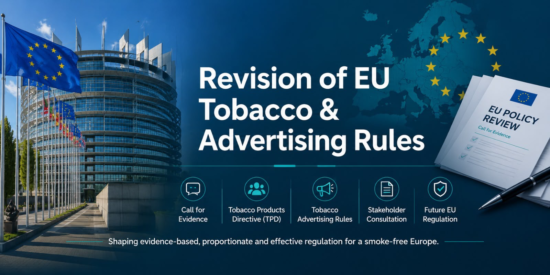

Tobacco products and tobacco advertising revision of EU rules

About GINN. The Global Institute for Novel Nicotine (GINN) is a membership-based association and the responsible voice of the novel nicotine sector. GINN represents small and medium-sized European manufacturers and distributors of nicotine pouches and promotes an evidence-based, science-led approach to the regulation of reduced-risk products, with the goal of helping adult smokers move away…

Beyond Endgame Thinking: What The Guardian Editorial and Palau’s UN Proposal Reveal About the Future of Nicotine Governance

Nicotine should be regulated proportionately to its risks and in a manner that accelerates the decline of combustible smoking. It should not be governed through sweeping “endgame” narratives that treat all nicotine products as though they occupy the same place on the risk spectrum. Recent interventions from both The Guardian and the Government of Palau…

The EU’s Nicotine Crossroads: Will Europe Follow the Evidence or Treat All Products Like Cigarettes?

A Growing Divide in European Nicotine Policy The European Union is approaching a critical moment in nicotine regulation. As policymakers prepare for major revisions to the Tobacco Excise Directive (TED), the Tobacco Products Directive (TPD), and wider tobacco control legislation, a fundamental disagreement has emerged within European institutions. At the heart of the debate is…

What Does Karachi’s Nicotine Pouch Study Tell Us About Regulation in Pakistan?

Understanding the Findings and Their Policy Implications As nicotine pouches continue to emerge in markets around the world, regulators face a familiar challenge: how should policymakers respond when new products enter the market before dedicated regulatory frameworks are fully established? A recent study examining nicotine pouches sold in Karachi has contributed new data to this…

Nicotine Pouches and Insurance Risk: Is Underwriting Ready for a Changing Nicotine Market?

Why Emerging Nicotine Products Are Creating New Questions for Insurers The nicotine marketplace has changed dramatically over the past decade. Traditionally, insurance underwriting relied on a relatively simple distinction: applicants were generally classified as either smokers or non-smokers. This approach reflected decades of evidence demonstrating the substantial health risks associated with combustible tobacco use and…

Europe’s Regulatory Pivot: Why More Governments Are Targeting Smoke-Free Nicotine Products

A New Direction in European Nicotine Policy Over the past decade, Europe has been at the centre of some of the world’s most significant debates on tobacco harm reduction. Products such as nicotine pouches, vaping products, and heated tobacco products emerged as alternatives to combustible cigarettes and were often discussed through the lens of risk…

Who Is Considering Switching to Nicotine Pouches?

New Research Offers Insights into Consumer Interest and Smoking Status As nicotine pouches continue to gain attention from regulators, researchers, and public health stakeholders, an important question remains: who is actually interested in using them? Much of the policy debate surrounding nicotine pouches focuses on potential risks, youth uptake, and regulatory controls. However, understanding who…

What Does the Evidence Say About Nicotine Pouches?

Examining the Scientific Case for Tobacco Harm Reduction As nicotine pouches become an increasingly prominent feature of nicotine policy discussions worldwide, debate often moves faster than the science itself. Regulators, public health stakeholders, researchers, and policymakers are grappling with important questions about risk, cessation, consumer behaviour, and appropriate regulatory frameworks. While long-term epidemiological evidence is…

Predicting Nicotine Delivery: What a New Scientific Model Could Mean for Product Assessment and Regulation

As nicotine products continue to evolve, regulators and researchers face a recurring challenge: how can the performance of new products be evaluated efficiently, accurately, and consistently without relying exclusively on costly and time-consuming human clinical studies? A newly published study in Scientific Reports offers an interesting contribution to that discussion. Rather than focusing on consumer…