Inspired by Dr. Carolyn Beaumont, an Australian clinician
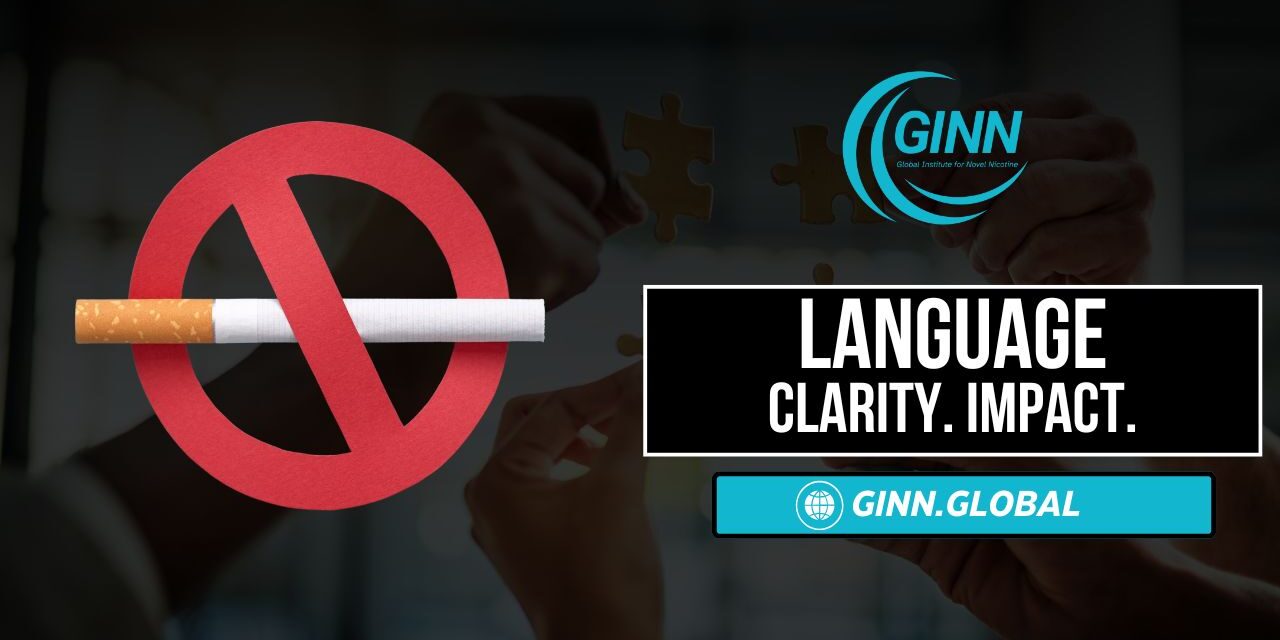
In the constantly evolving world of nicotine products, acronyms abound—NRT, NVP, ANDS, ENDS, e-cigarettes, HNB. Each of these terms captures a slice of the market, but none offer the unified, stigma-free language we need for effective global communication. That’s why the time has come to adopt one clear term for all reduced-risk alternatives to smoking: NRP—Nicotine Replacement Products.
Why a Single Term Matters
- Puts the spotlight on the true danger: combustible tobacco.
- Helps shift focus from all nicotine to the most harmful form—smoking.
- Makes communication clearer for consumers, regulators, healthcare providers, and media worldwide.
Criteria for a Winning Term
A term that will endure needs to:
- Separate non-combustible nicotine from smoking.
- Avoid implying that users are ill or need medical treatment.
- Include all existing and future nicotine delivery formats.
- Be simple to use, easy to say, and marketable.
- Reflect scientific accuracy without jargon or contradiction.
How Current Acronyms Measure Up
| Acronym | Stigma Level | Scope | Comments |
| NRT- Medical products like patches, gums, and lozenges used to help people quit smoking. | High (“therapy”) | Medical-only | Suggests illness; off-putting for general users. Excludes anything not approved. Vulnerable to country-specific legislation. |
| NVP- Devices that vaporize nicotine liquid, including pod and tank systems. | Low | Vaping products only | Excludes patches, pouches, other non-vape options |
| ENDS- A broad technical term for vapes and some nicotine inhalers. | Low (techy) | Vapes + some inhalers | Jargon-heavy; difficult for non-experts. Excludes patches, pouches, other non-vape options |
| ANDS-All non-combustible nicotine products, including vapes, pouches, and patches. | Low | All non-combustibles | Hard to explain; lacks mainstream resonance |
| E-cigarette- Battery-powered device that mimics smoking by vaporizing a nicotine solution. Often confused with tobacco products. | Medium | Vaping only | Outdated and oxymoronic. Confuses tobacco and nicotine distinctions. |
| HNB- Devices that heat tobacco sticks without burning, releasing nicotine-containing vapor. | Low | Heated tobacco only | Confuses tobacco and nicotine distinctions |
| SNP-Proposed umbrella term for all lower-risk, non-combustible nicotine alternatives. | Low | All non-combustibles | Risk of crusaders accusing us of false safety claims, which distracts from the real conversation (smoking/everything else) |
Why NRP (Nicotine Replacement Products)?
- Encompasses all alternatives: pouches, patches, gums, lozenges, vapes, inhalers, and what’s next.
- Neutral and non-clinical language that resonates with consumers.
- Draws a bold line between harm reduction and smoking.
- Ready to accommodate future innovation in nicotine delivery.
Feedback from the Field
Industry voices have joined the conversation. Harry Shapiro proposed “Safer Nicotine Products” (SNP) as a potential label. While it has merit in terms of clarity and harm-reduction framing, others—including Carolyn Beaumont—note the risk of criticism from public health stakeholders, particularly concerns over perceived health claims.
This underscores the broader point: the power of language in shaping policy, perception, and progress. The anti-THR movement has long mastered media narratives with phrases like “swapping one addiction for another” and “addicting the next generation.” These aren’t accidental—they are carefully chosen rhetorical strategies.
It’s time for harm reduction advocates to reclaim language. We need terms that speak to science, reflect reality, and win trust.
Call to Action
Let’s spark a global consensus around this shared language.
- Help media and policymakers use consistent terminology.
- Reduce the stigma of nicotine alternatives.
- Direct attention toward eliminating combustible tobacco use.
💭 A Thought Bubble on ‘GINN’ and Language That Lands
As we advocate for a unified, stigma-free acronym for safer nicotine alternatives, it’s worth pausing to reflect on our name, Global Institute for Novel Nicotine. One colleague recently raised a concern: could the word “novel” inadvertently signal experimentation, youth appeal, or even lack of credibility?
“To the public or regulators, novel might sound like something experimental—or worse, targeted at teens. Language shapes perception.”
And what about “GINN”? Another observer noted its phonetic closeness to gin, which might subconsciously signal a substance rather than a science-based mission.
This isn’t about rebranding on a whim. It’s about acknowledging that every word carries weight, especially in today’s hyper-scrutinized public health landscape. Branding is not just about visuals—it’s about values.
👥 This reflection emerged in a conversation with Monica Andrade de Orbe, as we brainstormed a resonant name for our new GINN chapter in España. The goal: clarity, trust, and cultural fit.
🔁 We’re not averse to introspection. And if we’re asking the world to use better language for nicotine alternatives, we owe it to ourselves to do the same.
🗳️ VOTE: What Term Should We Use Globally?
The world of nicotine alternatives is full of acronyms—ENDS, ANDS, NRT, HNB… but none give us the clarity we need.
We’re opening this up to the community. Cast your vote:
🔹 NRP (Nicotine Replacement Products)
🔹 SNP (Safer Nicotine Products)
🔹 ANDS (Alternative Nicotine Delivery Systems)
🔹 Other (Comment your idea below)
Let’s make this conversation official—one acronym at a time.
👉 Vote here: [VOTE: What Term Should We Use Globally?]