Nicotine has long been misunderstood. Decades of public health messaging, though well-intentioned, have blurred the lines between nicotine itself and the deadly effects of combustible tobacco. A recent study published by the American Psychological Association underscores how deeply these misperceptions run, and why correcting them is essential for effective harm reduction.
Misperceptions That Fuel Mistrust
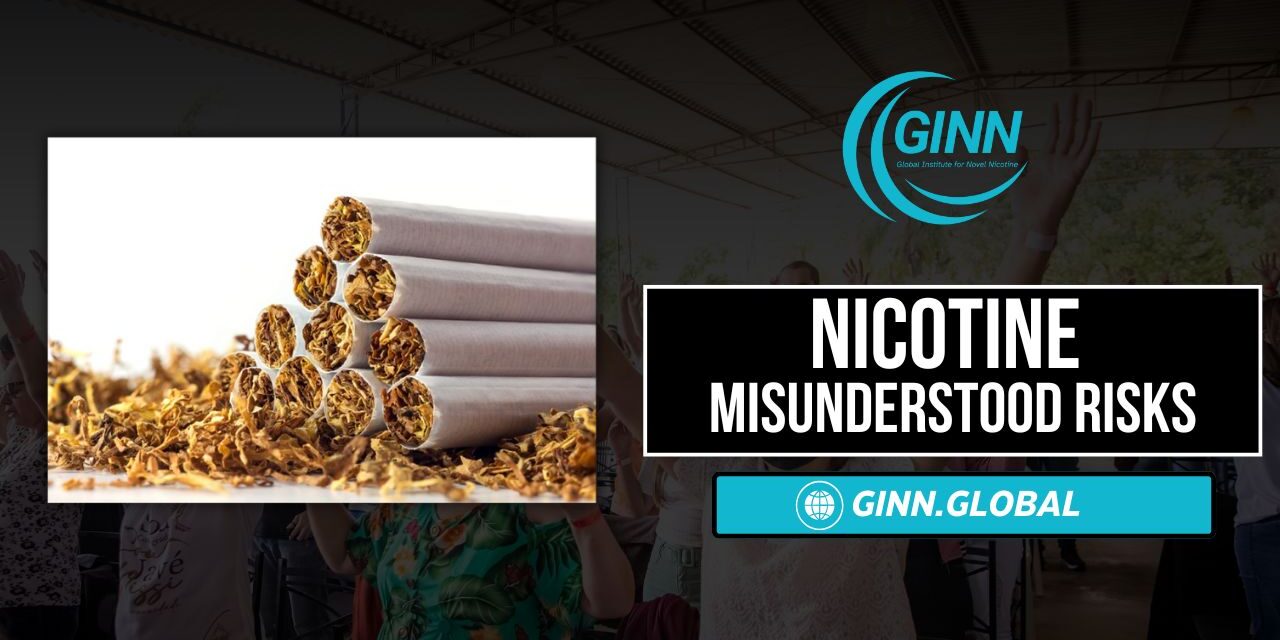
The APA study found that many adults, including smokers, continue to believe nicotine is the main cause of smoking-related cancers and disease. In reality, it is combustion, the burning of tobacco, that produces thousands of toxic chemicals, dozens of which are carcinogenic. Nicotine is addictive, but on its own, it does not cause cancer.
This confusion has real consequences. If smokers think all nicotine products carry the same risk, they are less likely to switch to reduced-risk alternatives like pouches, vaping products, or heated tobacco. Worse still, some policymakers may craft laws that ignore relative risk altogether, treating all nicotine as equally harmful.
Why Risk Communication Matters
Research shows that risk perception shapes behavior. When people believe alternatives are “just as bad” as cigarettes, they have little incentive to switch. The APA study highlights how inaccurate communication about nicotine undermines public trust, confuses consumers, and stalls harm reduction progress.
On the other hand, clear, proportional communication, acknowledging nicotine’s addictive properties while highlighting the much lower risks of smoke-free products, can support informed decision-making and empower smokers to make better choices.
Harm Reduction in Practice
Countries that distinguish between nicotine and combustion are seeing results. Sweden’s experience with snus and nicotine pouches has driven smoking rates to record lows, helping the country achieve “smoke-free” status under WHO definitions. By contrast, countries that pursue prohibition or blanket bans often see illicit markets flourish while smoking rates remain stubbornly high.
The lesson is clear: accurate information, not stigma, drives progress.
GINN’s Perspective
At GINN, we advocate for evidence-based policy and communication that reflects scientific reality. Policymakers, researchers, and public health organizations must move beyond outdated narratives and ensure that adults are given truthful, proportional information about nicotine and its alternatives.
Nicotine is addictive, but combustion is deadly. Acknowledging that difference is not only scientifically accurate, it is a life-saving public health strategy.