In 2025, Kenya became one of the first African countries to implement a fully integrated legal framework for regulating nicotine pouches. The government’s robust approach has aligned nicotine pouches with conventional tobacco products under national health law, closing critical loopholes and signaling a significant shift in the country’s public health policy. The newly gazetted rules, which affect packaging, labeling, taxation, sales, and marketing, reflect Kenya’s firm stance on curbing youth nicotine use and establishing greater accountability in the nicotine product supply chain.
Health Warnings and Packaging Standards
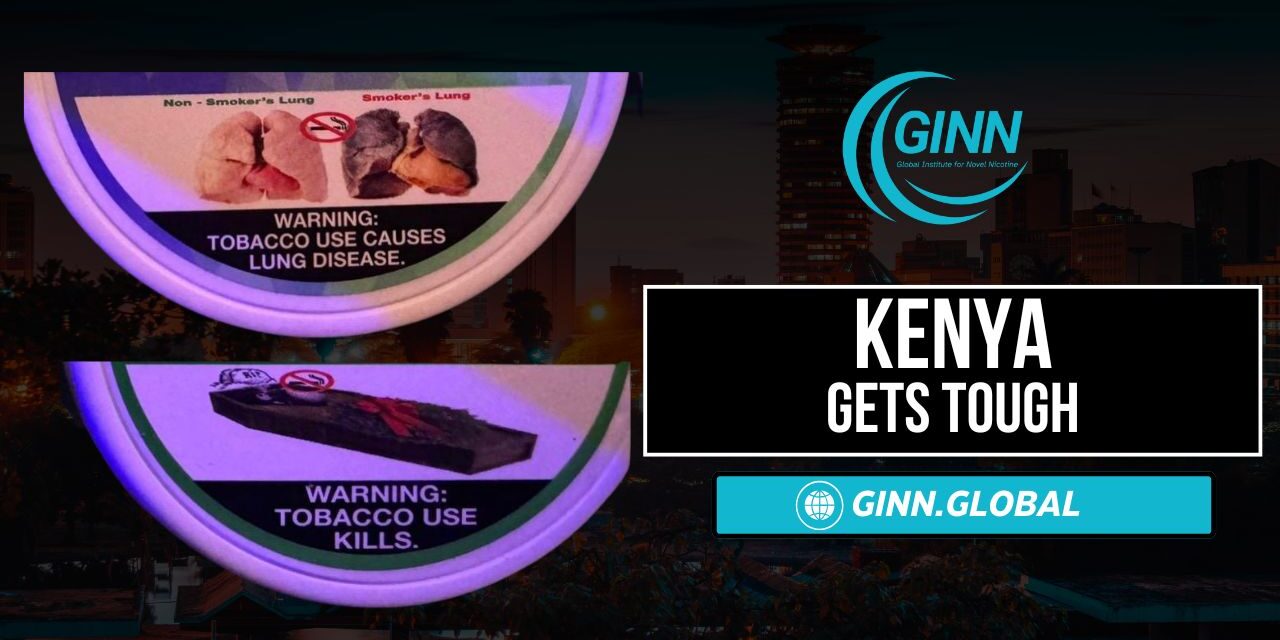
Kenya’s Ministry of Health has mandated prominent graphic health warnings (GHWs) for all nicotine pouches. These must cover 30% of the front and 50% of the back of each product’s packaging, similar to the regulations applied to cigarette packs. The warnings include vivid imagery and text that emphasize the addictive nature and potential health hazards of nicotine. Compliance is mandatory and subject to enforcement.
Beyond external labeling, each pouch package must include a leaflet insert with critical information: directions for use, storage guidelines, contraindications, and adverse effects. The leaflet must also warn that the product is not suitable for young people or non-smokers. In addition, child-resistant and tamper-evident packaging is now compulsory to prevent accidental ingestion, particularly among minors. These packaging standards aim to strengthen consumer protection and prevent misuse.
The updated rules also reverse earlier exemptions granted to some companies. For example, British American Tobacco (BAT) previously secured a waiver allowing its Velo pouches to carry only minimal warnings. That waiver has now been revoked, ensuring consistent and clear communication of health risks across all nicotine pouch products.
Excise Taxes and Stamp Enforcement
Nicotine pouches have been officially designated as excisable goods. An excise tax of KSh 1,500 per kilogram is now applied, reinforcing the government’s intent to deter widespread use, especially among price-sensitive youth. While some health advocates argue the rate is still too low, it marks a considerable increase from earlier levels and creates a framework for future adjustments.
The Finance Act of 2022 introduced this taxation model, and the government has since expanded enforcement mechanisms, including the use of tax stamps. These stamps, which must be affixed to all compliant pouch packaging, help prevent illicit trade and ensure that only properly taxed products are sold. Authorities are also targeting illegal imports, many of which have entered the Kenyan market without regulatory approval.
Sales Controls and Youth Restrictions
Retailers are now strictly prohibited from selling nicotine pouches to individuals under the age of 18. All points of sale must display clear signage communicating this restriction, along with warning notices about the addictive nature of nicotine.
To ensure accountability, all entities involved in the supply chain—including manufacturers, importers, and sellers—must obtain licenses from county health departments. Unlicensed operations are subject to significant penalties: fines, license revocation, or even imprisonment. The government has also banned sales through vending machines, informal street vendors, and unsupervised retail formats. Free sampling and promotional giveaways are similarly outlawed.
Under Kenya’s updated framework, nicotine pouches are treated as restricted products in both public and child-sensitive venues. These include schools, hospitals, public transportation, and indoor workplaces. This ensures consistent treatment with existing smoke-free laws and prevents normalization of pouch use in public spaces.
Marketing and Flavor Bans
Kenya’s regulations go beyond sales and packaging—they eliminate nearly all avenues for commercial promotion. Advertising, sponsorship, and influencer marketing are now fully banned, including across social media platforms and digital marketplaces. Influencers, brand ambassadors, and any form of indirect product promotion are expressly prohibited.
The law also outlaws sweet and characterizing flavors, such as fruit or candy, to reduce the appeal of pouches among younger users. Additives that suggest energy boosts or contain vitamins are similarly banned. By limiting flavoring and prohibiting descriptors that downplay risk, Kenya has taken a significant step in reducing youth-oriented marketing.
A Shift in Strategy
Kenya’s policy evolution—from limited oversight to a fully enforced nicotine product framework—reflects lessons learned over the past five years. In 2020, Kenya banned Lyft pouches outright due to youth access concerns. Following industry lobbying, BAT reintroduced the product as Velo, initially under looser rules. The latest laws now reverse that trend, mandating full compliance and aligning pouch regulation with broader public health goals.
This shift comes amid global conversations around novel nicotine products and their regulation. With these updated measures, Kenya fulfills key obligations under the WHO Framework Convention on Tobacco Control (FCTC), including Article 5.3, which calls for shielding health policy from commercial interference.
Looking Ahead
Kenyan authorities have promised strict enforcement of these new regulations throughout 2025. Surveillance efforts are ramping up, and periodic reviews of excise rates are expected. The Kenya Bureau of Standards is also working on finalizing formal product guidelines for nicotine pouches to supplement the legal framework.
By implementing these comprehensive policies, Kenya has become a regional leader in the regulation of oral nicotine products. Though some critics argue that such a conservative approach could limit harm reduction potential, public health leaders insist that strict controls are necessary to prevent youth uptake and ensure consumer safety.
Kenya’s experience may serve as a regulatory model for other African countries, many of which are just beginning to grapple with the rise of nicotine pouches. The months ahead will reveal how effectively these measures curb illicit trade, promote responsible manufacturing, and protect public health without cutting off adult access to safer nicotine alternatives.
Kenya Tightens Controls on Nicotine Pouches
Kenya has rolled out some of the world’s strictest nicotine pouch regulations. New laws require graphic warnings, excise tax stamps, child-resistant packaging, and total bans on advertising and flavors. Sales to minors are illegal, licensing is mandatory, and enforcement is ramping up in 2025. Kenya now treats pouches like tobacco, raising the bar for regulatory compliance across Africa.