
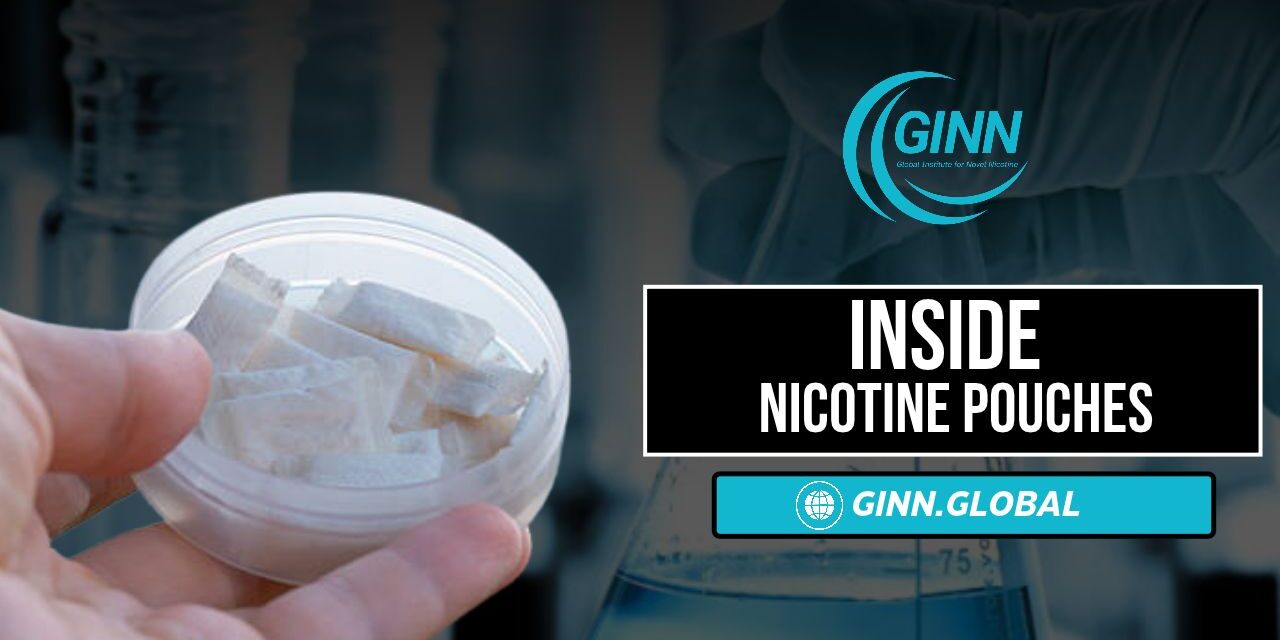
As nicotine pouches become more widely available, attention is increasingly turning to the ingredients used in these products and how they behave during use. While the absence of tobacco combustion is an important distinction from cigarettes, it does not eliminate the need to assess potential chemical exposure.
A study published in the October 2026 issue of Food and Chemical Toxicology provides new evidence on this issue. Researchers examined the chemical composition of novel oral nicotine pouches and investigated the release of nicotine, myosmine and other substances into saliva.
The findings raise important questions about ingredient safety, manufacturing quality and the development of appropriate product standards.
What the Researchers Identified
The researchers identified a range of chemical substances associated with nicotine pouch formulations, including terpenes, phenols, ethers and alcohols. The study reported that some compounds were released into saliva during simulated use, indicating potential routes of exposure.
Among 65 terpenes detected, the authors reported that only 14 were authorised under the EU regulatory framework they referenced. The researchers also identified substituted phthalates, certain chloromethoxy compounds and myosmine, a nicotine-related compound.
These findings warrant further investigation. However, detecting a chemical does not establish that exposure reaches a level capable of causing harm. Toxicological assessment also requires information about concentration, exposure duration, frequency of use and the biological effects of the substances concerned.
Similarly, whether an ingredient is authorised for a particular use under EU legislation does not, by itself, determine its safety in nicotine pouches. Different regulatory frameworks assess substances according to their intended applications and exposure conditions.
Why Ingredient Assessment Matters
Nicotine pouches contain more than nicotine. Their formulations may include flavourings, sweeteners, fillers, moisture-retaining agents and substances used to adjust pH or influence nicotine release.
These ingredients can affect product performance and the substances to which consumers are exposed.
For regulators, this creates a need to evaluate finished products rather than relying exclusively on declared nicotine content. Chemical composition, impurities, ingredient interactions and the release of substances under realistic conditions of use may all be relevant.
A consistent approach to ingredient assessment could also help manufacturers identify substances requiring further toxicological evaluation before products reach consumers.
Implications for Product Standards
The study highlights the potential value of clearer requirements for ingredient disclosure, chemical testing and manufacturing controls.
Such standards could include appropriate analytical methods for identifying impurities, assessing the release of potentially harmful substances and establishing evidence-based limits where justified.
Regulatory decisions should also distinguish between the presence of a substance and a demonstrated health risk. Restrictions based solely on detection, without considering exposure or toxicological relevance, may fail to reflect meaningful differences between products.
Independent testing and transparent reporting would help strengthen confidence in product assessments while allowing regulators to identify genuine safety concerns.
What the Study Cannot Establish
The research contributes to understanding nicotine pouch chemistry, but it should not be interpreted as direct evidence of long-term health outcomes.
Laboratory findings cannot independently determine whether regular use causes particular diseases. Nor do they establish that nicotine pouches present risks equivalent to combustible cigarettes.
Further research is needed to assess exposure under real-world conditions, differences between manufacturers and formulations, and the toxicological significance of the identified compounds.
Towards Evidence-Based Product Oversight
The growing nicotine pouch market presents an opportunity to develop more consistent and scientifically informed product standards.
The latest findings demonstrate why chemical characterisation and exposure assessment deserve attention alongside nicotine delivery and consumer behaviour.
For GINN, effective regulation should be informed by the composition and performance of individual products, supported by reliable testing and proportionate to demonstrated risks.
Clearer ingredient standards, transparent evidence and appropriate manufacturing oversight can contribute to consumer protection while recognising the important differences between combustible and non-combustible nicotine products.
Source
Bavcon Kralj and colleagues, Food and Chemical Toxicology, Volume 216, October 2026, Article 116248. DOI: 10.1016/j.fct.2026.116248