
Brazil’s Smoking Decline and the Regulatory Question of Safer Alternatives

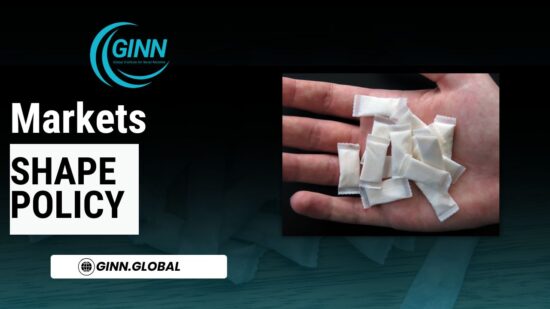
Brazil is widely recognised for achieving one of the most significant declines in smoking prevalence globally over the past three decades. Comprehensive tobacco control measures, including advertising restrictions, smoke-free laws, warning labels, taxation, and cessation support, have contributed to sustained reductions in cigarette consumption and tobacco-related disease. At the same time, Brazil maintains one of…

GINN Insight: The Cypriot Presidency Proposal and the Future of EU Excise Policy for Nicotine Pouches

The latest compromise text under the Cypriot Presidency in the revision of the EU Tobacco Taxation Directive represents a cautious but meaningful shift in the debate over nicotine pouch excise. While the proposal does not fully resolve concerns around proportionality and risk alignment, it acknowledges a central empirical reality: national taxation of nicotine pouches varies…

Communicating Tobacco Harm Reduction: Why Precision Matters More Than Ever

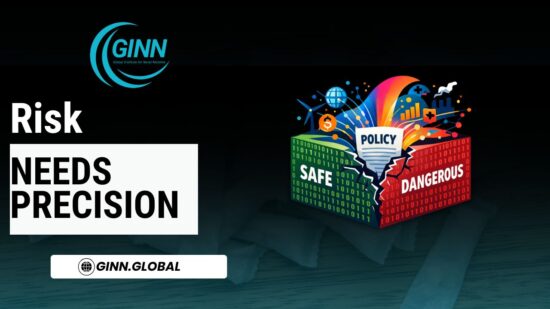
Public debate around tobacco harm reduction (THR) is increasingly shaped not only by science, but by how that science is communicated. As non-combustible nicotine products expand across global markets, the gap between evidence and public understanding has become a central policy challenge. Miscommunication, oversimplification, and emotive framing risk distorting regulatory discussions at precisely the moment…

The U.S. Urban–Rural Divide in Nicotine Pouch Sales: Regulatory Implications

As nicotine pouches gain market presence in the United States, regulators must understand not only who is using these products, but where and under what conditions they are being purchased. A recent peer-reviewed study published in Preventive Medicine provides new empirical evidence by examining urban–rural differences in nicotine pouch sales, pricing, and flavour preferences across…

Nicotine Pouches: Market Growth and Regulatory Crossroads

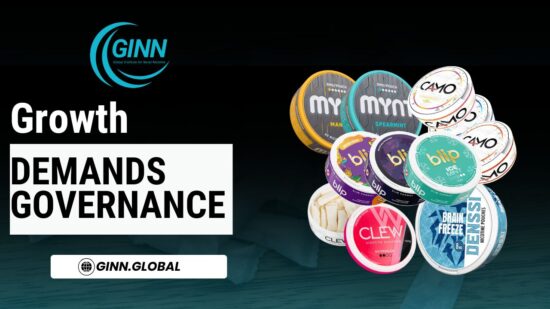
Recent market analyses from multiple industry research groups indicate that nicotine pouches are among the fastest-growing segments within the broader nicotine alternatives category. Reports from Fact.MR, Euromonitor International, Grand View Research, and other sector analysts project sustained global expansion over the coming decade, driven by regulatory pressure on combustible cigarettes, product innovation, and widening consumer…

Harm Reduction, Misinformation and the Integrity of Tobacco Science

Debates around tobacco harm reduction are increasingly shaped not only by emerging products and regulatory decisions, but by how science itself is communicated. A recent commentary on misinformation and “clickbait science” in the tobacco harm reduction space highlights a growing concern: that exaggerated claims, selective interpretation of findings, and sensational headlines can distort both public…

FDA’s Review of ZYN’s Modified Risk Applications Signals a Turning Point for Nicotine Policy

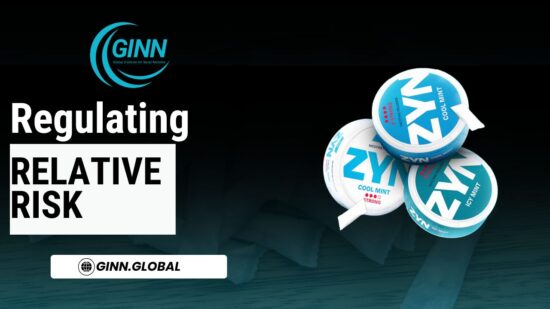
The U.S. Food and Drug Administration’s ongoing review of modified risk tobacco product (MRTP) applications for ZYN nicotine pouches represents a pivotal moment in the regulation of non-combustible nicotine. At stake is not whether nicotine products are “safe,” but whether regulators will permit carefully constrained, evidence-based communication about relative risk compared with cigarette smoking. The…

Nicotine Pouches and Harm Reduction

Nicotine pouches remain at the centre of the global harm‑reduction conversation — and a major new peer‑reviewed review helps explain why. A new narrative review by Konstantinos Farsalinos in Internal and Emergency Medicine reinforces a clear message: modern, tobacco‑free nicotine pouches sit at the very lowest end of the toxicant‑exposure continuum. Chemical analyses and biomarker…

The EU’s Tobacco Policy Expert Group Is Ending — What Comes Next Matters More Than Ever

The European Commission has confirmed that the EU Tobacco Policy Expert Group (TPEG) will formally conclude its mandate, even as work on the next revision of the Tobacco Products Directive (TPD) continues. While the end of a technical advisory body may appear procedural, it raises important questions about how expertise, evidence, and stakeholder input will…