The Unintended Consequences of Banning Nicotine Pouches: A Focus on Veterans’ Health and Harm Reduction

Nicotine pouches have become an important tool in harm reduction, offering a smoke-free alternative to traditional cigarettes. Many veterans, who historically have higher smoking rates than the general population, have turned to these products as a way to transition away from combustible tobacco. However, recent legislative proposals in New York and other jurisdictions seek to…
Advancing Harm Reduction Through Stratified Taxation: A European Perspective

Aligning Fiscal Policy with Tobacco Harm Reduction Goals The European Union is at a pivotal moment in shaping the future of tobacco and nicotine taxation. With discussions on revising Directive 2011/64/EU underway, policymakers have the opportunity to introduce a risk-proportionate taxation framework that aligns fiscal policy with public health objectives. This approach would create financial…

Rethinking Nicotine Taxation: An Evidence-Based Approach to Harm Reduction

Taxation has long been a primary tool for tobacco control, designed to reduce smoking prevalence by increasing the cost of cigarettes. However, the emergence of novel nicotine products such as Electronic Nicotine Delivery Systems (ENDS), Heated Tobacco Products (HTPs), and nicotine pouches challenges traditional taxation models. Policymakers now face a crucial decision: Should all nicotine…

France Bans Nicotine Pouches: A Setback for Harm Reduction in Europe

France has officially banned the sale of nicotine pouches, a move that underscores the escalating regulatory battle over alternative nicotine products within the European Union. The decision, announced by French Health Minister Aurélien Rousseau, aligns with growing concerns from EU policymakers about the accessibility and potential youth appeal of nicotine pouches. However, this ban raises…

Balancing EU Regulation for Tobacco-Free Nicotine Products: A Smarter Path Forward

The European Union faces a defining moment in how it regulates tobacco-free nicotine products, particularly nicotine pouches. With some member states opting for outright bans while others seek a more balanced approach, the lack of a unified framework has created inconsistencies that threaten harm reduction efforts, consumer choice, and economic growth. As discussions on the…

Finnish Proposal for a Responsible and Supervised Sales Model for Nicotine Pouches

The demand for nicotine pouches continues to grow across global markets, including Finland, where discussions about their regulation are gaining urgency. A recent article from Kauppa.fi highlights the pressing need for a responsible and supervised sales model to ensure that nicotine pouches remain accessible to adult consumers while preventing underage use and ensuring product safety.…

GINN Analysis: Correcting Misinformation on Nicotine Pouches in Australia

By Global Institute for Novel Nicotine (GINN) The South Australian Government’s ban on nicotine pouches, coupled with alarmist media narratives, distorts public understanding of these products. The recent article, “Everything You Need to Know About Nicotine Pouches,” presents nicotine pouches as a serious public health threat without properly assessing their risk profile compared to combustible…

Ensuring Integrity in Novel Nicotine Products: GINN’s Member Code of Practice

The Global Institute for Novel Nicotine (GINN) has released its Member Code of Practice (CoP) to establish a comprehensive framework for the manufacturing and labelling of novel nicotine products. With regulatory landscapes evolving, GINN aims to ensure product safety, quality, and ethical practices, setting a standard for responsible nicotine innovation. A Framework for Responsible Manufacturing…

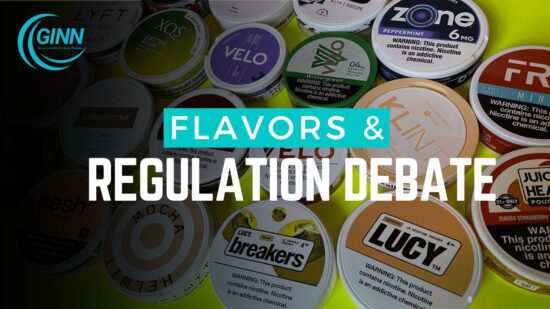
The Role of Flavors in Nicotine Pouches: Consumer Choice vs. Regulation

Nicotine pouches have gained traction as a smoke-free, tobacco-free alternative for adult consumers seeking harm reduction options. One of the key factors behind their popularity is flavor variety, which enhances user experience and satisfaction. However, flavors have also become a central point of regulatory debate, with concerns over potential youth appeal leading to increasing calls…