
Dated: 27 August 2024
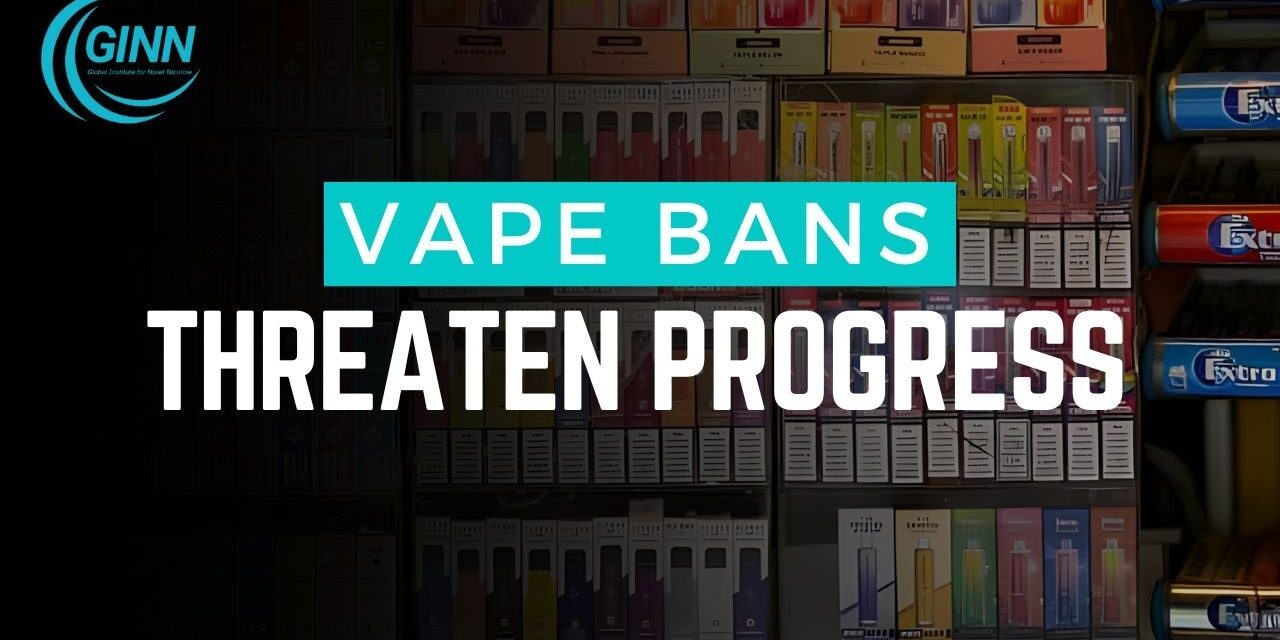
The Global Institute for Novel Nicotine (GINN) has issued a strong warning against proposed government restrictions on vape products, emphasizing that such measures could hinder progress in helping smokers transition to less harmful alternatives. As a newly formed organization advocating for harm reduction, GINN is committed to advancing innovation and evidence-based practices in the nicotine industry.
Urging a Reconsideration of Vape Restrictions
GINN, which includes prominent distributors like Phoenix 2 Retail and Vape Supplier among its founding members, has voiced concerns over potential bans on vape flavors, packaging, and displays. These restrictions, according to GINN director Shem Baldeosingh, would severely impact efforts to encourage smokers to switch to safer alternatives.
“The planned restrictions on alternative nicotine products risk reversing the progress made in reducing smoking rates,” Baldeosingh said.
Although the previous government’s Tobacco and Vapes Bill failed to pass before the election, Labour has pledged in its manifesto to revive the restrictions, signaling a contentious road ahead for the industry.
The Importance of Flavors and Consumer Choice
One of GINN’s key arguments is that adult consumers rely heavily on flavor diversity when choosing alternative nicotine products. The organization has pointed out that tobacco-only flavors are not appealing to the vast majority of users seeking to quit smoking. Instead, there is strong demand for flavors like mint, berry, and citrus, which play a critical role in helping smokers transition to safer products.
By treating all nicotine products as equivalent to traditional tobacco, the government risks undermining the harm reduction benefits of these innovations. GINN asserts that such regulations would not only create confusion among consumers but also stifle the growth of safer alternatives.
Supporting Local Retailers
GINN has also pledged to stand by local shop owners who face significant challenges in navigating the evolving nicotine market. Recognizing the heavy regulatory burden on small retailers, GINN aims to simplify compliance through clear communication and practical tools.
“Our focus is to provide straightforward guidance on these products and how to sell them responsibly,” the organization stated.
GINN is actively working to develop a comprehensive website that will feature a database of available products and resources for retailers. Local shop owners are also being encouraged to join GINN as members to gain access to these tools and support.
Preparing for the Disposable Vape Ban
The upcoming ban on disposable vapes is expected to be one of the most significant disruptions to the nicotine market in recent years. GINN has warned that many consumers are unaware their preferred products will soon be unavailable. To address this gap, the organization plans to support retailers in transitioning their customers to alternatives like pod-based vapes and nicotine pouches.
However, Baldeosingh cautioned that no single product will appeal to all consumers, underscoring the importance of offering a range of alternatives to meet diverse needs.
Future Challenges for Pod Devices
While pod-based systems are likely to gain traction in the wake of the disposable vape ban, Baldeosingh warned that these products may soon face regulatory scrutiny as well. He highlighted recycling challenges as a potential issue, noting that pods are currently not recyclable, unlike disposable vapes.
“If the government shifts focus to pods, it could create significant problems within a year or so,” Baldeosingh said.
Bridging the Knowledge Gap
GINN is also committed to educating policymakers about the unique benefits of alternative nicotine products. With many experienced politicians losing their seats in the recent general election, GINN sees an opportunity for broader consultation and evidence-based discussions on upcoming legislation.
By sharing its research with lawmakers, GINN aims to address what Baldeosingh described as “a major knowledge gap” in understanding nicotine products and their role in harm reduction.
Advocating for Responsible Practices
Despite its opposition to restrictive measures, GINN remains a strong advocate for responsible marketing and sales practices to prevent youth access. The organization supports measures such as responsible packaging, clear placement in stores, and the introduction of a licensing system for retailers to ensure that these products are marketed only to adult consumers.
Importantly, GINN has reiterated its stance of not accepting funding from or offering membership to tobacco companies, maintaining its commitment to independent advocacy.
As the nicotine market faces increasing regulatory challenges, the Global Institute for Novel Nicotine is taking a proactive role in ensuring that harm reduction remains at the forefront of the conversation. Through its advocacy, support for local retailers, and commitment to evidence-based policies, GINN is striving to create a balanced approach that prioritizes both public health and consumer choice.
With the future of alternative nicotine products hanging in the balance, GINN’s efforts could play a pivotal role in shaping the industry for years to come.