
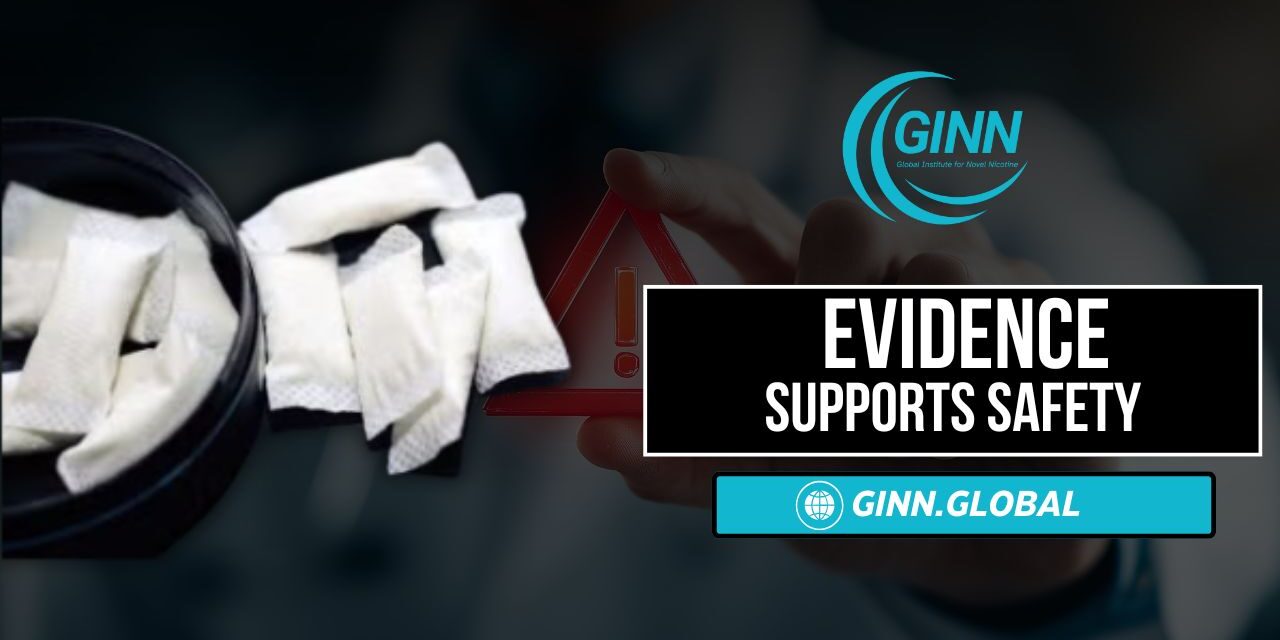
A recent study published in JAMA Network Open provides important insights into the biological effects of nicotine pouches, adding much-needed clinical evidence to an area often dominated by speculation. The findings reaffirm a central message in tobacco harm reduction: while nicotine is addictive, the health risks associated with non-combustible nicotine products are dramatically lower than those caused by smoking.
The Study: Investigating Cardiovascular and Inflammatory Effects
The cross-sectional study, conducted by researchers at the University of California, compared biological markers among users of different nicotine products, including cigarettes, e-cigarettes, and oral nicotine pouches. Using blood and urine samples, the team measured key biomarkers associated with inflammation, oxidative stress, and cardiovascular risk factors long linked to the development of chronic diseases such as heart attack and stroke.
The results were telling:
- Cigarette smokers showed the highest levels of harmful biomarkers, including elevated white blood cell counts and C-reactive protein (CRP), both markers of systemic inflammation.
- E-cigarette and nicotine pouch users displayed significantly lower biomarker levels, often approaching those seen in non-smokers.
- Importantly, nicotine pouch users had no abnormal cardiovascular markers, indicating minimal systemic impact beyond nicotine exposure itself.
While the study did not assess long-term outcomes, the evidence strongly supports the conclusion that nicotine pouches are substantially less harmful than combustible tobacco.
Why These Findings Matter for Public Health
The JAMA Network Open data echo what harm reduction researchers have long emphasized: it is not nicotine, but combustion, that drives smoking-related disease. Cigarette smoke contains over 7,000 chemicals, more than 70 of which are known carcinogens. By eliminating combustion, nicotine pouches drastically reduce toxicant exposure and, as this study suggests, their physiological effects are closer to those of non-smokers than smokers.
This evidence also counters persistent public misperceptions. Surveys show that many adults, including healthcare professionals, mistakenly believe nicotine itself causes cancer, a myth that deters smokers from switching to safer alternatives. Studies like this help restore scientific clarity: nicotine may sustain addiction, but it does not cause the diseases associated with smoking.
Bridging Science and Policy: The Case for Proportionate Regulation
As nicotine pouches gain global traction, regulators face a critical task: crafting policies that reflect their relative risk.
Evidence-based regulation should:
- Maintain adult access to smoke-free alternatives that demonstrably reduce harm.
- Mandate quality and labeling standards to protect consumers and prevent misuse.
- Communicate relative risks clearly to the public, helping smokers make informed decisions about switching.
Over-regulation or blanket bans risk undermining harm reduction goals, driving adult users back to smoking or into unregulated black markets. The JAMA findings highlight why proportionate, science-based policy is essential for public health.
GINN’s Perspective
At GINN, we welcome this growing body of scientific evidence confirming the reduced-risk profile of nicotine pouches. The study reinforces what we and many in the global harm reduction community, have long advocated: that nicotine products exist on a continuum of risk, and that empowering smokers to transition away from combustion saves lives.
Nicotine pouches, when responsibly regulated and marketed exclusively to adult users, represent one of the most promising innovations in modern tobacco control. The data from JAMA Network Open provide further confidence that this smoke-free alternative can play a pivotal role in reducing smoking-related morbidity and mortality worldwide.
References
- Mishra S, et al. “Biomarkers of Cardiovascular Risk Among Users of Combustible, Electronic, and Oral Nicotine Products.” JAMA Network Open. 2025;8(2):e2840712.
- Centers for Disease Control and Prevention (CDC): Health Effects of Cigarette Smoking.
- Royal College of Physicians (UK): Nicotine without Smoke: Tobacco Harm Reduction.