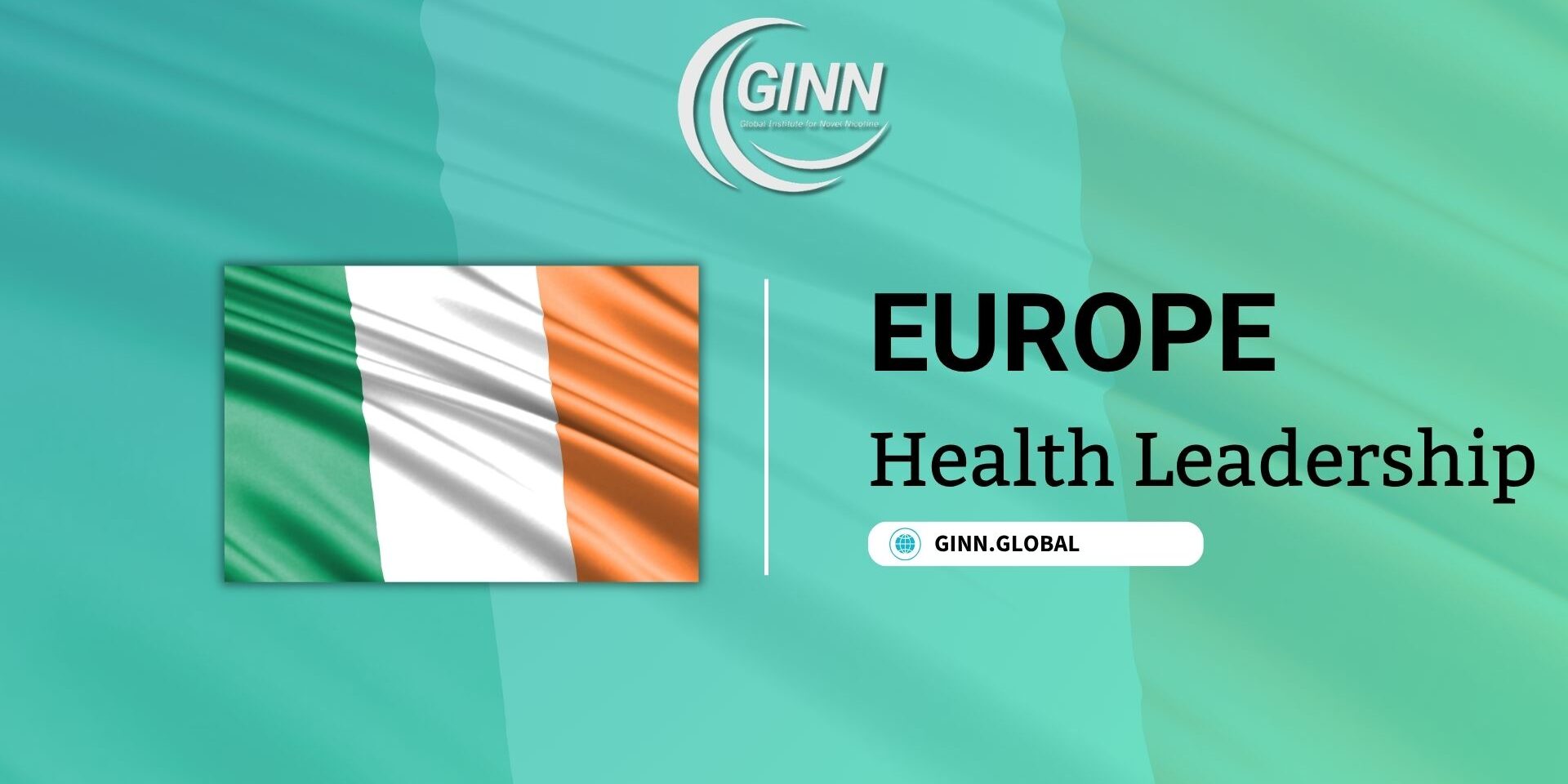
Ireland’s upcoming Presidency of the Council of the European Union presents a strategic opportunity to shape Europe’s public health agenda at a time of growing pressure on health systems and widening inequalities in outcomes. Recent discussions highlight a clear direction: stronger coordination, a renewed focus on prevention, and the need to address high-burden diseases through more integrated, EU-level action.
Rather than introducing entirely new policy frameworks, the Presidency is positioned to strengthen alignment across Member States, accelerate ongoing legislative initiatives, and create momentum for coordinated responses to long-term public health challenges, particularly in areas such as respiratory disease.
Respiratory health as a policy priority
A central theme emerging from the discussion is the increasing burden of chronic respiratory diseases across Europe. These conditions remain among the leading causes of mortality globally, yet they often receive less structured policy attention compared to other major disease areas.
Unlike acute health threats, respiratory diseases develop over time and are influenced by environmental exposure, socioeconomic conditions, and access to care. This makes them a complex policy challenge, requiring coordinated action across health, environmental, and social systems.
The absence of a unified EU-level respiratory strategy was identified as a critical gap. Panel discussions pointed to the need for a more structured European response, including improved surveillance, earlier diagnosis, and coordinated prevention strategies.
Prevention as the foundation of public health
Prevention emerged as a consistent and unifying priority throughout the discussions. The Presidency reinforces a shift toward early intervention, screening, and long-term health management as the most sustainable approach to reducing disease burden.
There was also a clear recognition that prevention remains under-prioritised in terms of funding and implementation, despite its long-term benefits. The discussion highlighted the potential for Ireland’s Presidency to advance more structured EU-level approaches, including conversations around vaccination targets and broader prevention frameworks.
This reflects a broader understanding that improving public health outcomes requires sustained investment in preventive measures across the entire life course.
Health policy, competitiveness, and legislative progress
A notable aspect of the Presidency’s agenda is the positioning of health not only as a social priority, but also as a driver of economic competitiveness and security. A healthier population is directly linked to workforce participation, productivity, and long-term resilience.
In this context, Ireland is expected to advance key legislative files during its Presidency, including the proposed Biotech Act and amendments to the Medical Device Regulations. These initiatives are intended to strengthen Europe’s capacity in clinical trials, innovation, manufacturing, and market access.
Progress on these files is viewed as essential not only for improving health outcomes, but also for reinforcing the EU’s position in global health innovation.
Data systems, surveillance, and coordination
The discussions also identified persistent gaps in data-sharing and surveillance systems across Member States. While collaboration exists, it is often fragmented, delayed, or insufficiently integrated to support timely decision-making.
Improving data infrastructure, including the use of digital health tools and more coordinated surveillance systems, was highlighted as a priority. This is particularly important for high-burden conditions such as respiratory diseases, where early detection and monitoring can significantly improve outcomes.
Enhanced data coordination at the EU level is seen as a key enabler of more effective, evidence-based policy design.
Health equity and population impact
Health inequalities remain a significant concern, particularly in the context of chronic disease. Respiratory conditions, for example, disproportionately affect lower socio-economic groups, reflecting broader disparities in exposure, access to care, and living conditions.
The Presidency’s agenda emphasises the need for policies that address these structural inequalities and ensure that public health interventions deliver measurable improvements across all populations.
This includes a broader, cross-sector approach that extends beyond healthcare systems to incorporate environmental, social, and economic factors.
The role of patient experience in policy design
A strong and consistent message from the discussion is the importance of integrating patient perspectives into policy development. Lived experience provides critical insight into system gaps, long-term care needs, and barriers to access that may not be captured through traditional data.
There is increasing recognition that effective policy design requires patient involvement from the outset, including in programme development, prevention strategies, and long-term disease management frameworks.
Embedding patient advisory structures and co-design approaches can help ensure that policies are both relevant and implementable, particularly in complex, chronic disease areas.
Coordinated EU action and policy leadership
Ireland’s Presidency is also seen as an opportunity to initiate broader EU-level discussions on key public health issues, including vaccination targets, public health sovereignty, and coordinated responses to high-burden diseases.
In addition, the development of high-level ministerial events and policy forums during the Presidency is expected to support knowledge exchange and alignment across Member States, particularly in areas such as prevention, innovation, digital health, and climate-related health risks.
This approach reflects a broader objective: to move from fragmented national responses toward more coordinated, strategic action at the European level.
Conclusion
Ireland’s EU Presidency reinforces a public health agenda centred on prevention, coordination, and long-term system resilience. The discussions highlight the need to address under-recognised disease burdens, strengthen data systems, and ensure that policy reflects both scientific evidence and real-world experience.
The opportunity for the Presidency lies not only in setting priorities, but in translating them into coordinated, actionable outcomes, through legislative progress, improved collaboration, and more integrated policy design.
If successfully advanced, these efforts have the potential to strengthen Europe’s public health framework and deliver measurable improvements in population health across Member States.